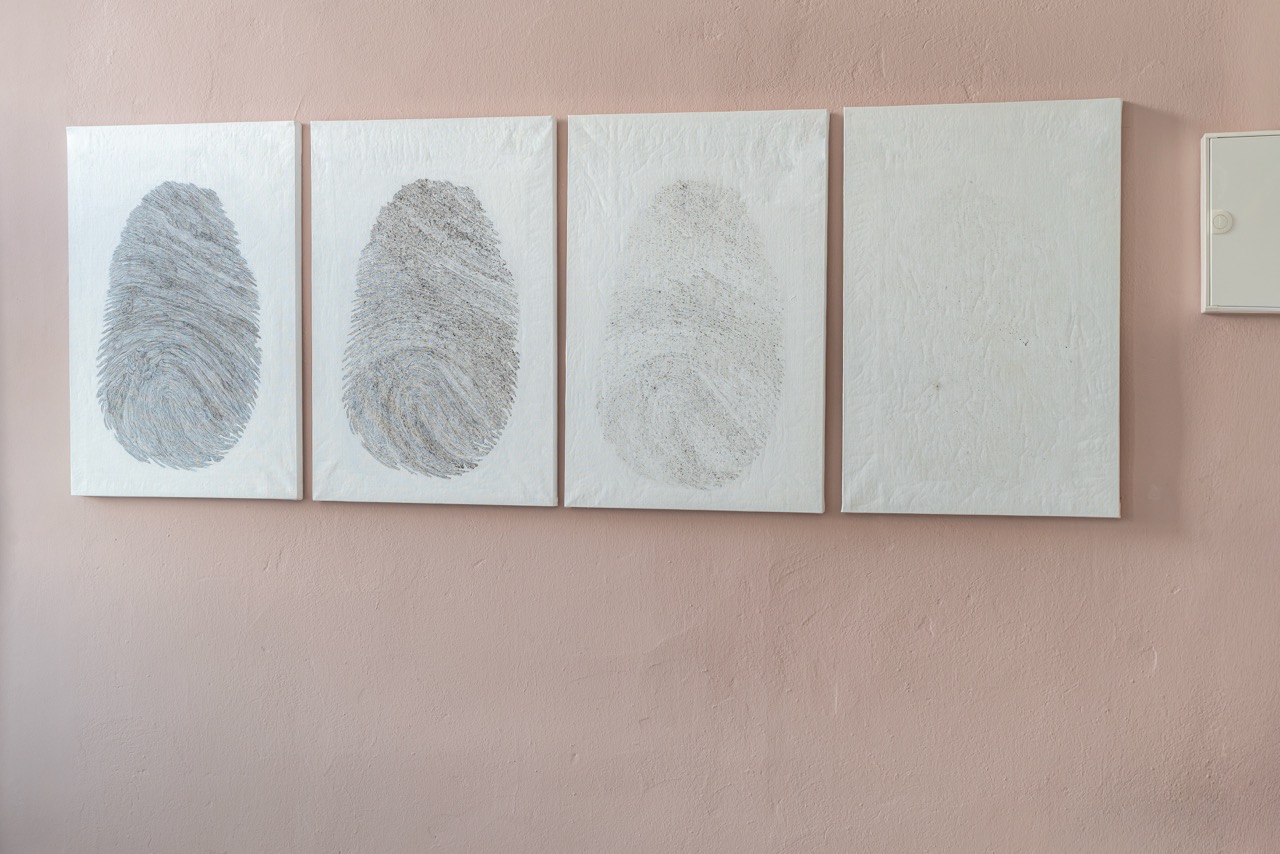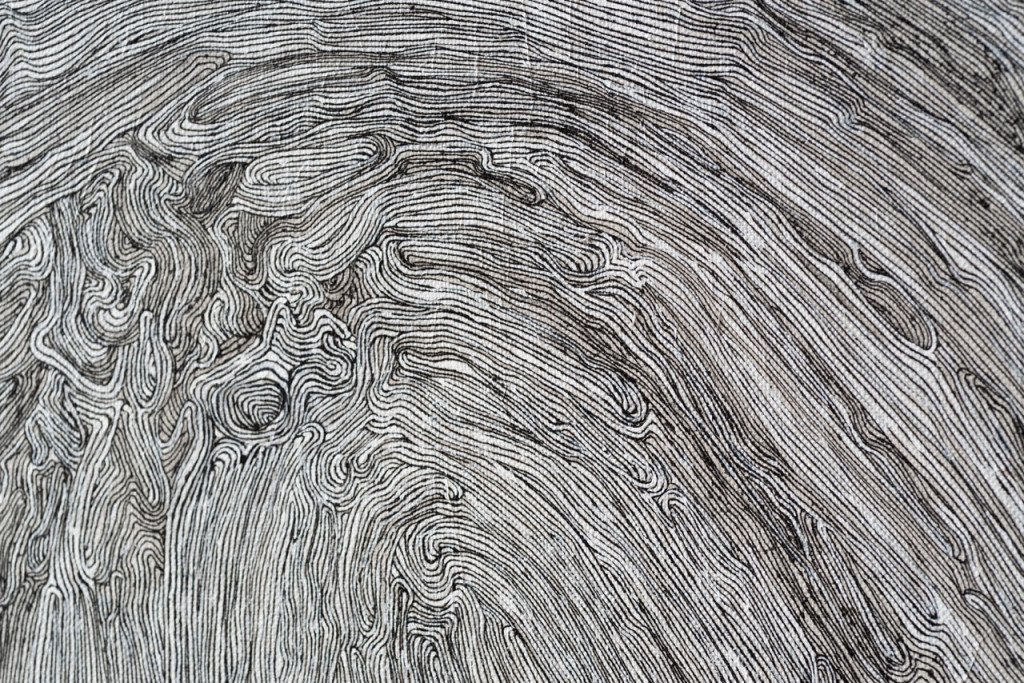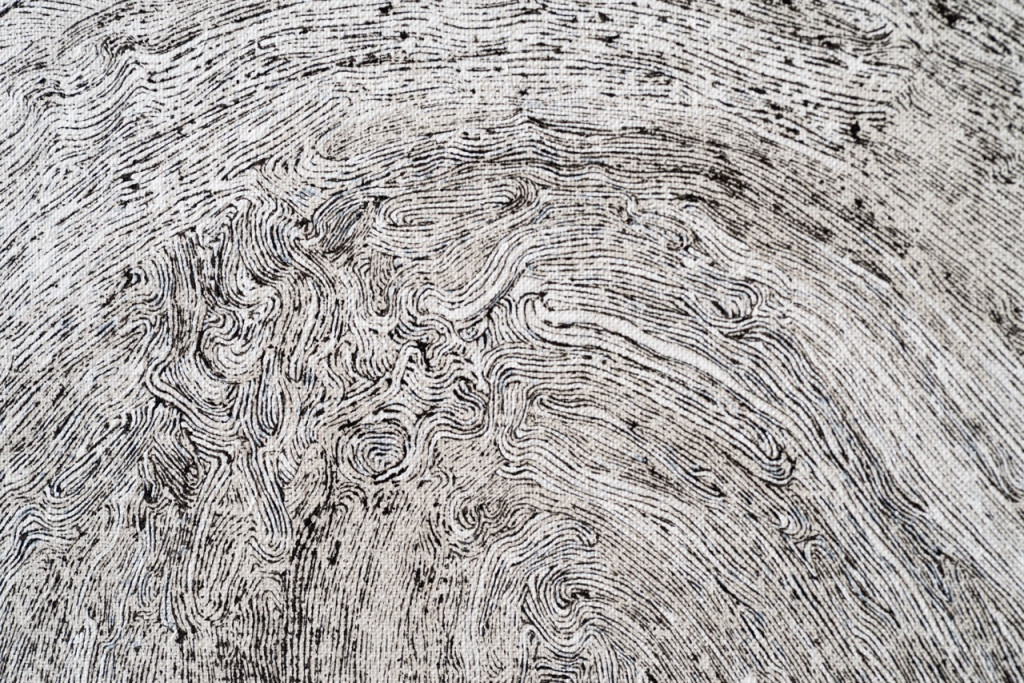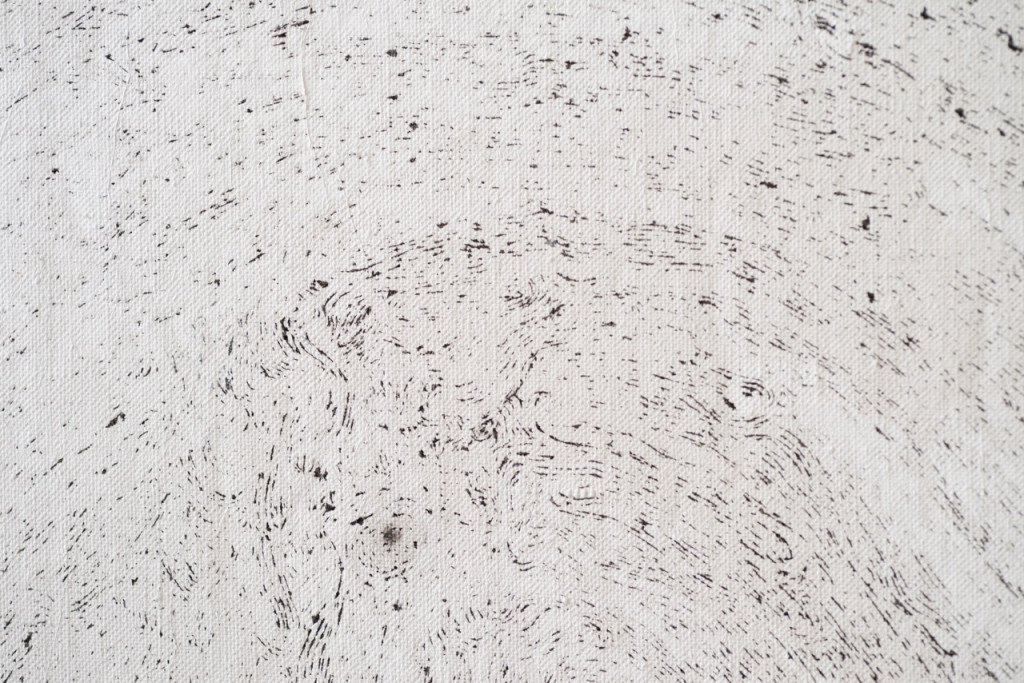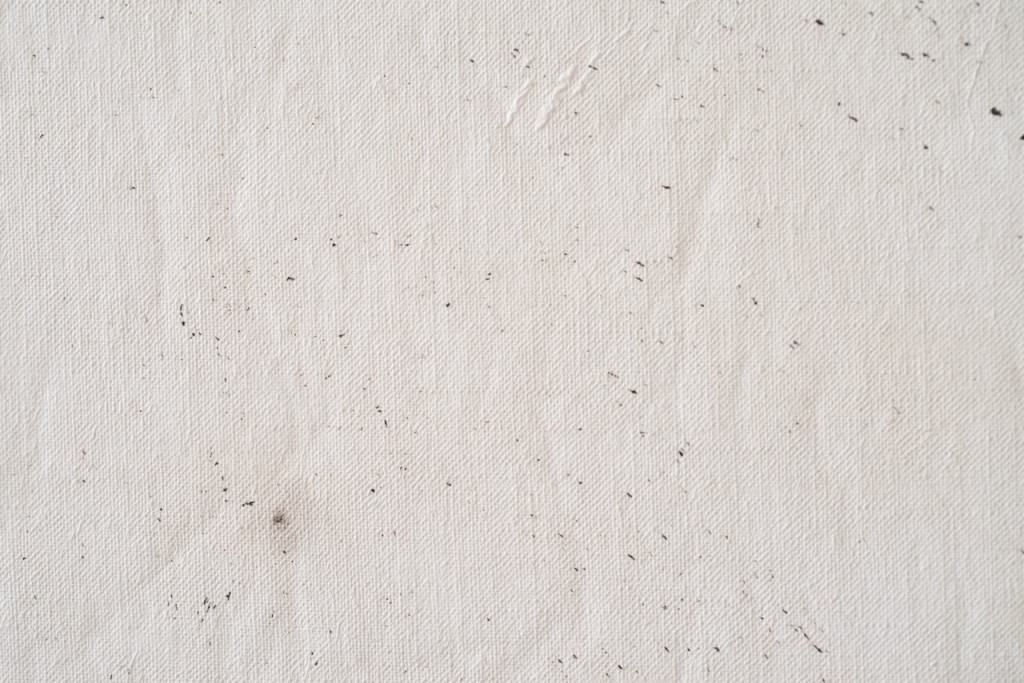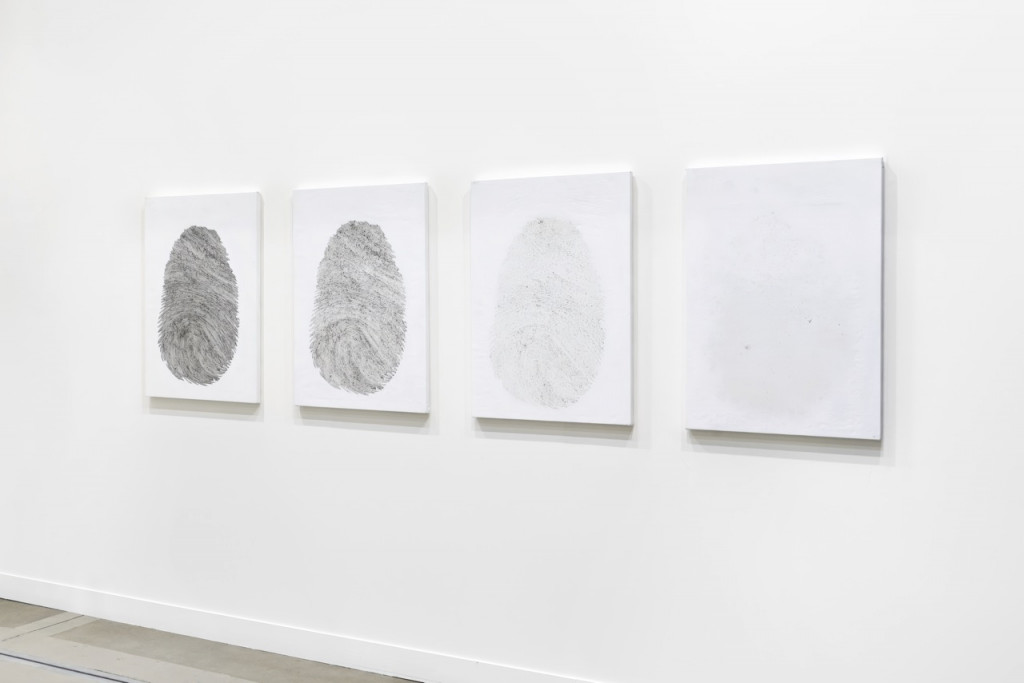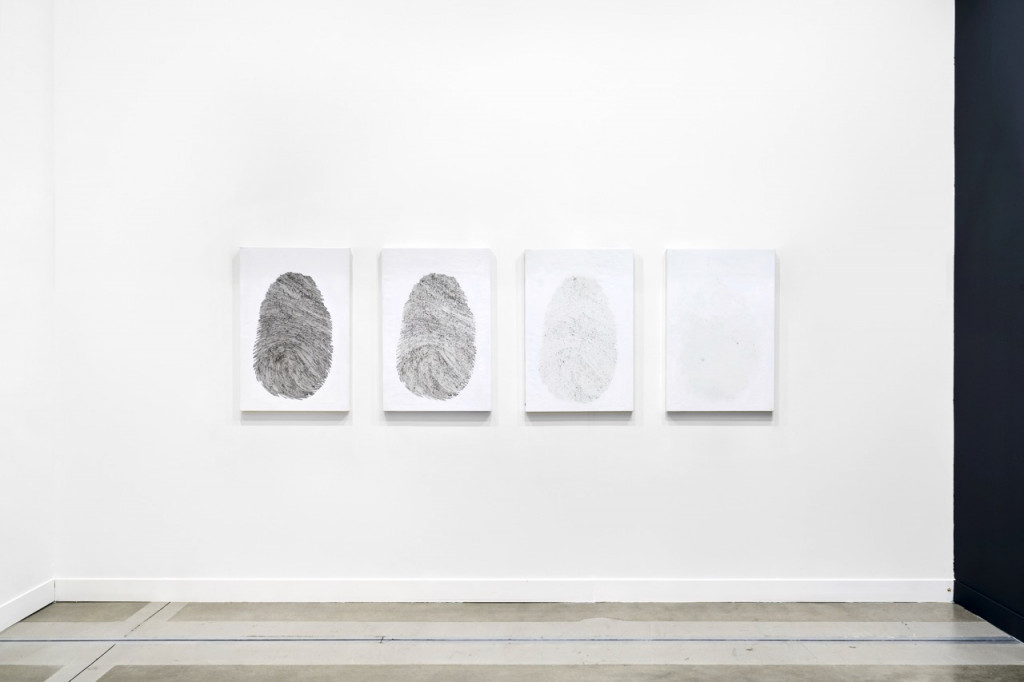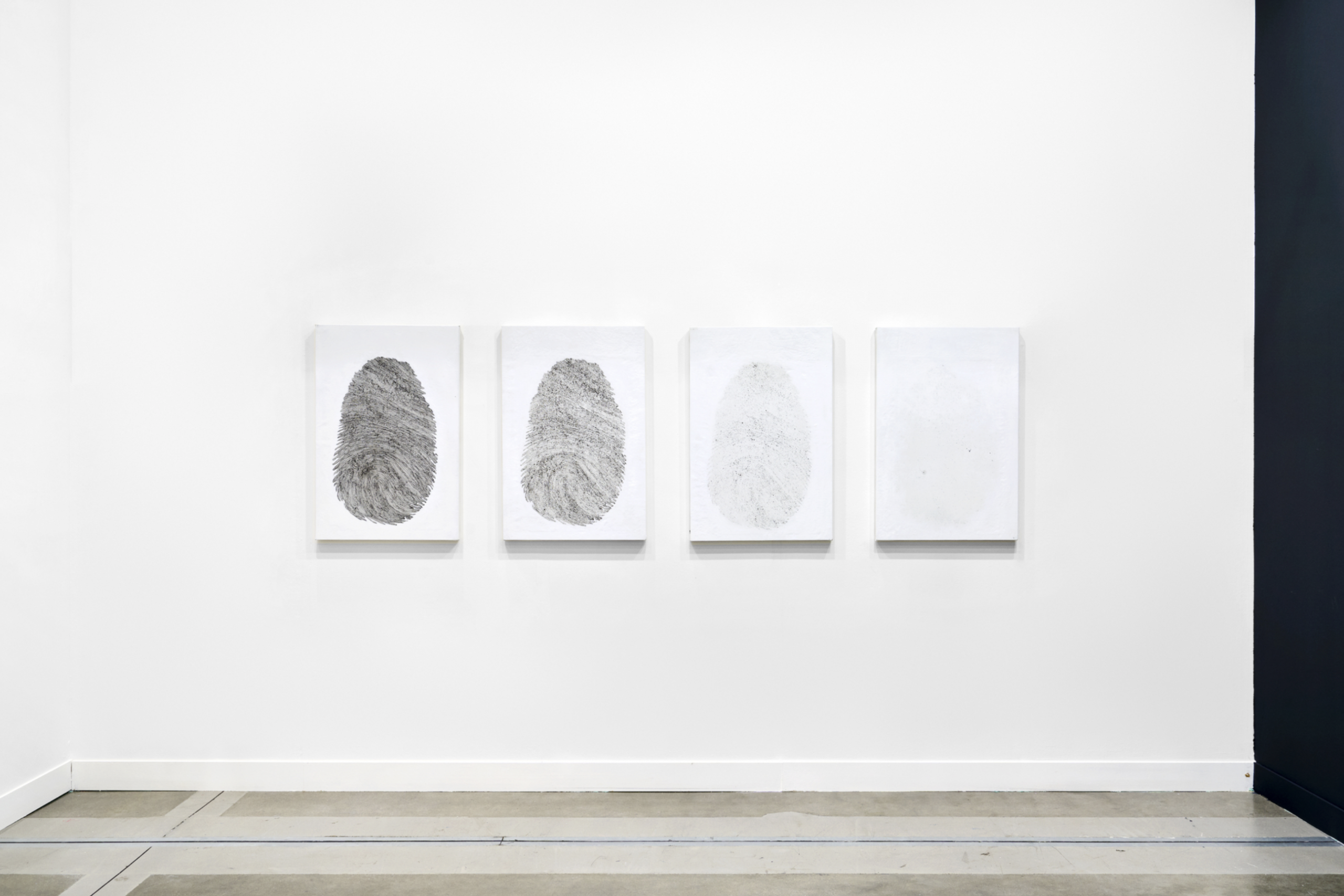
In Vanishing Point (2025), the representation of a print becomes a print itself. On both technical and conceptual levels, when viewed through the lens of art history, the piece raises fundamental questions: What is illusion, and what is reality? Can the illusion—here, the representation of a thumbprint—become reality? This inherent contradiction within the creative process generates tension between illusion and truth, between representation and imprint. It subtly critiques the hyper-representation of reality in our modern world, where we are inundated with images and misinformation to the point of losing our connection to truth.
An imprint is traditionally a document that serves as direct, physical proof of its original object. However, when representation itself is imprinted, the original object becomes obscured, lost within layers of replication. The work also gestures toward a broader theme: the erosion of the very connections that bind humanity together. These connections—akin to a societal glue—are grounded in mutual respect and the universal acknowledgement of human rights.
The thumbprint, while universally human, is also unique to each individual. This paradox mirrors the nature of human rights: they are the same for everyone, yet each person experiences them differently. Regardless of origin, ethnicity, religion, or background, human rights must remain equal and universal. The gradual dissolution of the thumbprint in the piece metaphorically speaks to the erosion of our shared humanity.